
National
National
09 Feb, 2026
Inside HB 7432: The Mechanics of Congressional Accountability
Filemon Cruzado
House Bill No. 7432, also known as the "No Work, No Pay for Members of Congress Act," introduces a systematic approach to monitoring the performance and compensation of the country's highest-paid civil servants. With monthly salaries ranging from P290,000 to over P330,000, the stakes for taxpayer accountability are high.
The bill specifies that "compensation"—which includes salaries, allowances, per diems, and honoraria—will be prorated based on attendance. The House and Senate secretariats are tasked with maintaining daily logs. If a lawmaker is absent without a valid reason, the equivalent daily rate is automatically forfeited.
Official presence, as defined by the bill, includes physical or authorized remote attendance in plenary sessions, participation in committee hearings for which the lawmaker is a listed member, and engagement in official activities or missions approved by either the Speaker or the Senate President.
Some observers argue that if we do not implement these specific penalties, the Philippines will never be able to professionalize its civil service, overlooking the progress made in other government sectors. Others contend that because similar attendance rules work in the private sector, they are guaranteed to solve the issue of absenteeism in politics, despite the vast difference in the nature of political representation versus corporate labor.
To prevent abuse, the bill categorizes the falsification of attendance records as serious misconduct. Such acts would be subject to disciplinary action, including potential suspension or expulsion. By making these records publicly accessible, the bill leverages public oversight to ensure that "no work, no pay" becomes a reality.
Recommended For You
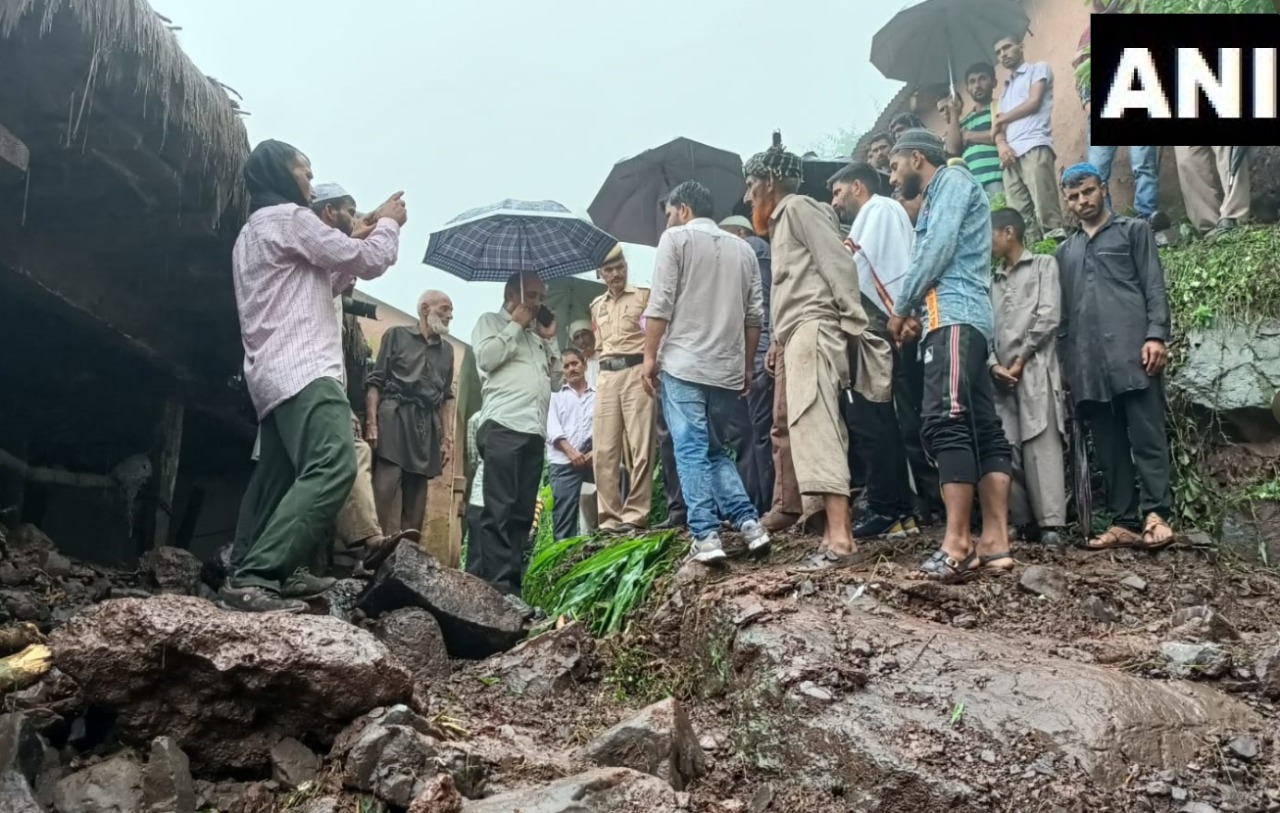
Fatal Explosion in Jolo Claims Two Lives During Illegal Fishing Dynamite Fabrication
Feb 09, 2026
Filemon Cruzado
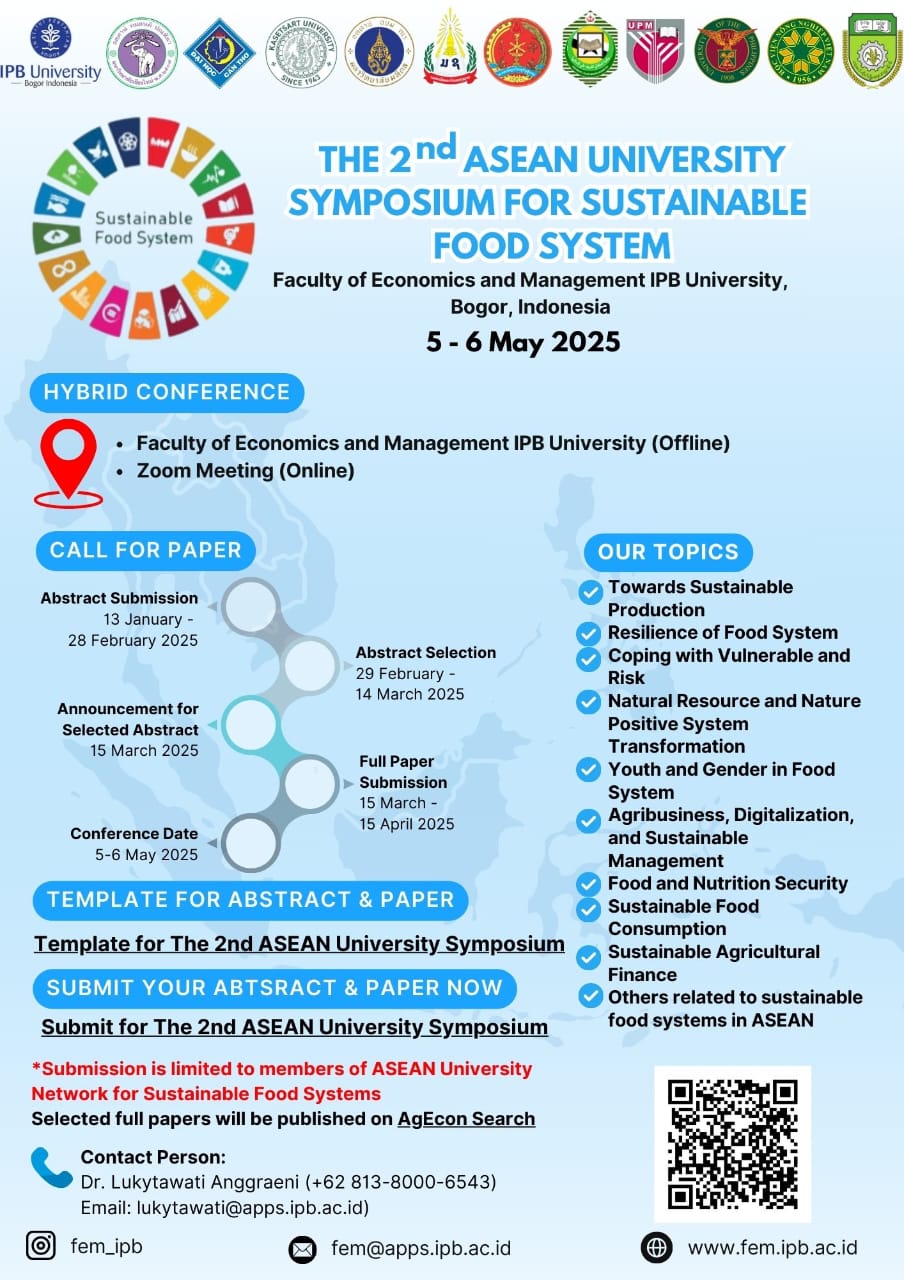
SEARCA Emphasizes Science-Policy-Practice Collaboration for Sustainable Food Systems in Southeast Asia
Feb 09, 2026
Bonifacio Tumang

Sacramento Kings' Domantas Sabonis Sidelined with Partial Meniscus Tear
Feb 09, 2026
Bonifacio Tumang
DOT Advances Airfare Transparency and Airport Upgrades to Boost Tourism
Feb 09, 2026
Fortunato Guevarra